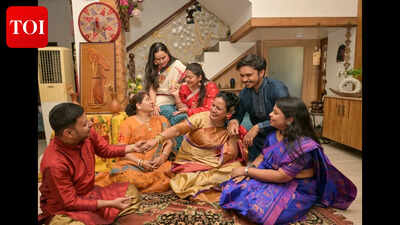
You can take a Bangali out of Bengal, but not Bengal out of a Bangali ! Pune-based Simran Tiwari’s parents grew up in Kolkata, and despite not being born into a Bengali family, they completely adapted to the culture and traditions. By default, so did their family. For them, Nobo Borsho or the first day of the Bengali New Year is incomplete without the quintessential breakfast dish Radhaballavi (Bengali version of a dal-puri ), and getting their hands on the New Year calendar. “We are Bengalis just without a Bengali surname. And celebrating Poila Boishakh with the community in Pune gives us a wonderful opportunity to reconnect with our roots,” says Simran, a speech and drama teacher who has been calling Pune home for 26 years.
“My mother always reminisces about her childhood in Kolkata - how her morning started with a neem-haldi bath, festive lunch with pabda, prawns, mutton, kancha aam er chutney (raw mango chutney). She has made sure that we keep the traditions alive, whether it's the bath, a visit to the Kali mandir, wearing new clothes, meeting friends, or singing Rabindranath Tagore’s songs and reciting poems”-Simran Tiwari, speech and drama teacher

Apart from food and hours of conversations, the day is about getting together and celebrating the spirit of the community (Photo Jignesh Mistry)
Adda, food, music and cultural events mark city’s Poila Boishakh festivities
Culture and traditions remain a powerful anchor for the Bengali community in the city, where festivals are more than just a date on the calendar. They are a celebration of identity, nostalgia, and community, acting like a bridge to the essence of Bangaliana . In several pockets across the city, far from the lanes in West Bengal, the festival is being ushered in with the same warmth and fervour in a shared cultural space.
“My day will start with a visit to the Khadki Kalibari. For me, it isn't just a personal celebration as I spend a large part of Poila Baishakh connecting with people. It's a day when Bengalis from different parts of Pune come together for cultural gatherings, food, and adda”-Arun Chakraborty, a popular figure within the community, who runs two Bengali community Facebook groups
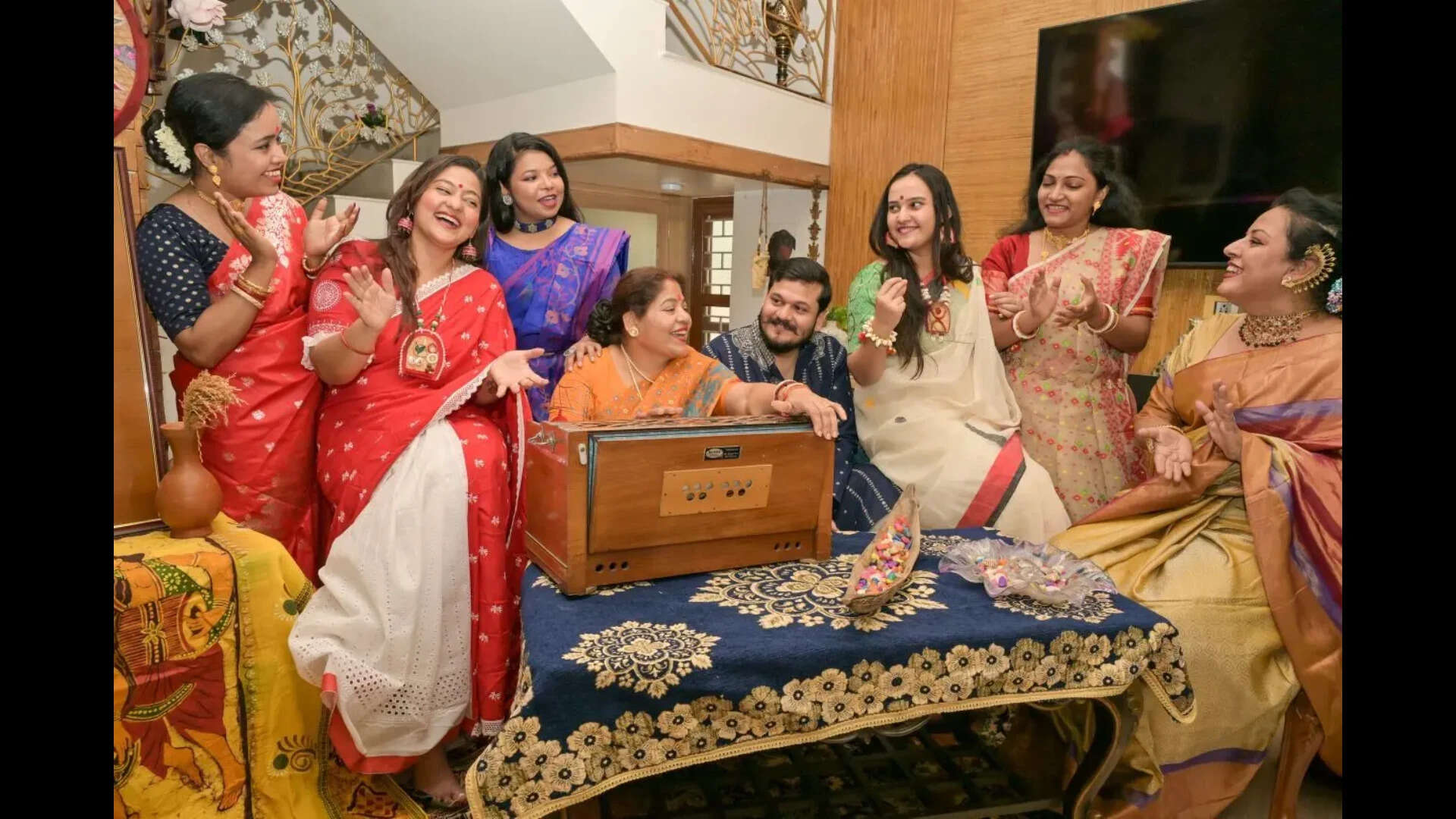
Adda and cultural evenings go hand in hand for any Bengali festivity (Photo Jignesh Mistry)
Intimate and community-driven, Poila Boishakh in Pune is all about getting together, feasting on scrumptious food, Bengali associations and cultural groups organising events with Rabindra Sangeet recitals, et al. Traditional attire — women in saris (not necessarily the stereotype red-and-white), and men in kurta-pajamas or dhuti-panjabi — rules the dress code. Business owners perform a ritual called haal khata , where old account books are cleared, and new ones are opened. Socialising is an integral part of the day, where an exchange of ‘Shubho Nobo Borsho’ greeting helps in recreating a sense of home.
“Poila Boishakh is one of those things that unite probashi Bangalis . Celebrating with the Bengali community is like being at home while being away from home,” says Lopamudra Mukherjee, who has been living in Pune for 15 years.
■ Friendship Club Pune, Backyard Farms, Ravet, April 15
■ Bongiya Sanskriti Sangho, Hande Lawns, April 17
■ Agradoot Bangosamaj, City Vista Lawns in Kharadi, April 18
■ ASBS, Shakuntala Hall, April 18
■ Keshav Nagar Bengali Association, Royal Moments Banquet, Amanora, April 19
■ Bangiya Sanskriti Samsad, Bhonsle Nagar, April 19
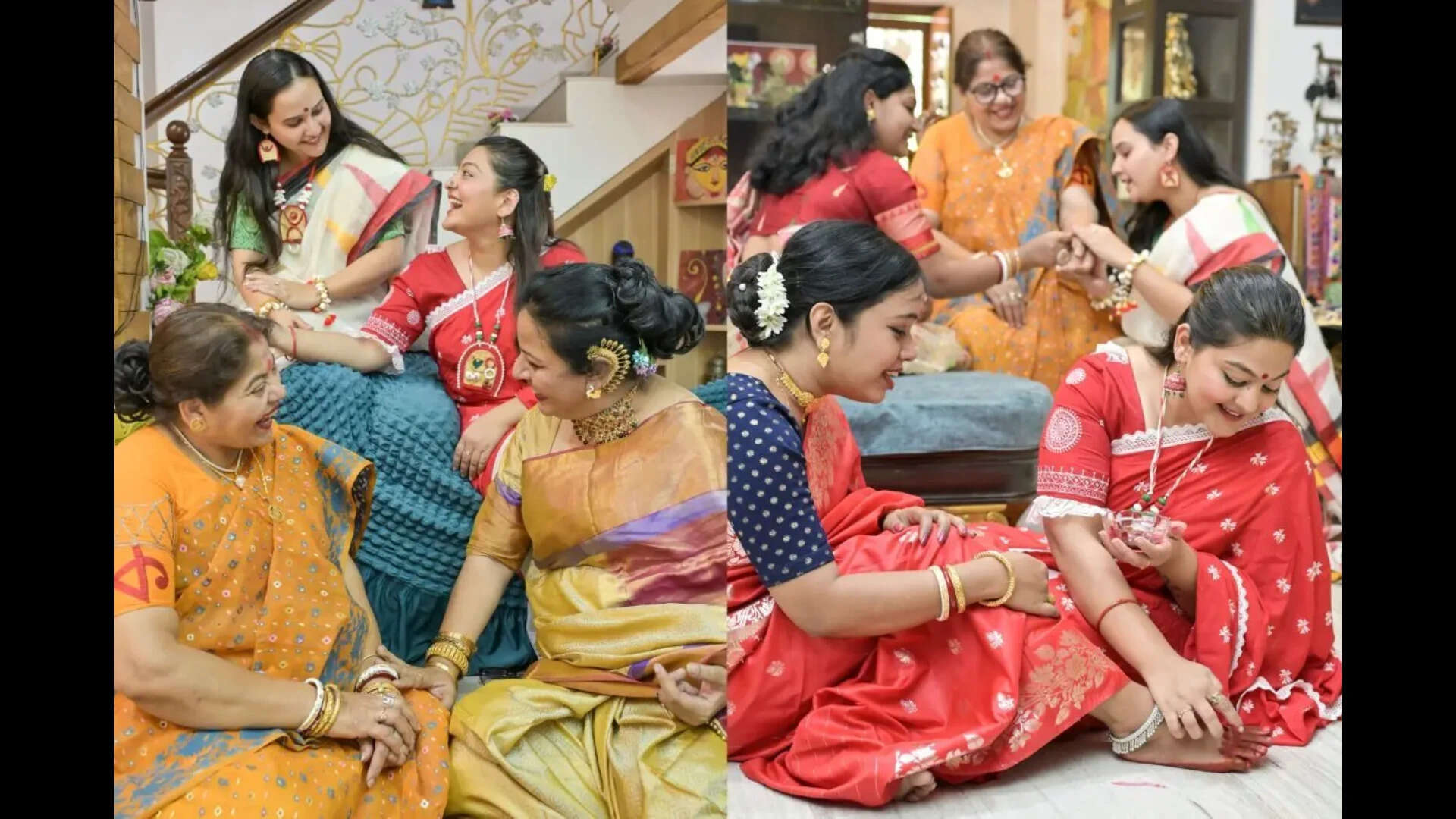
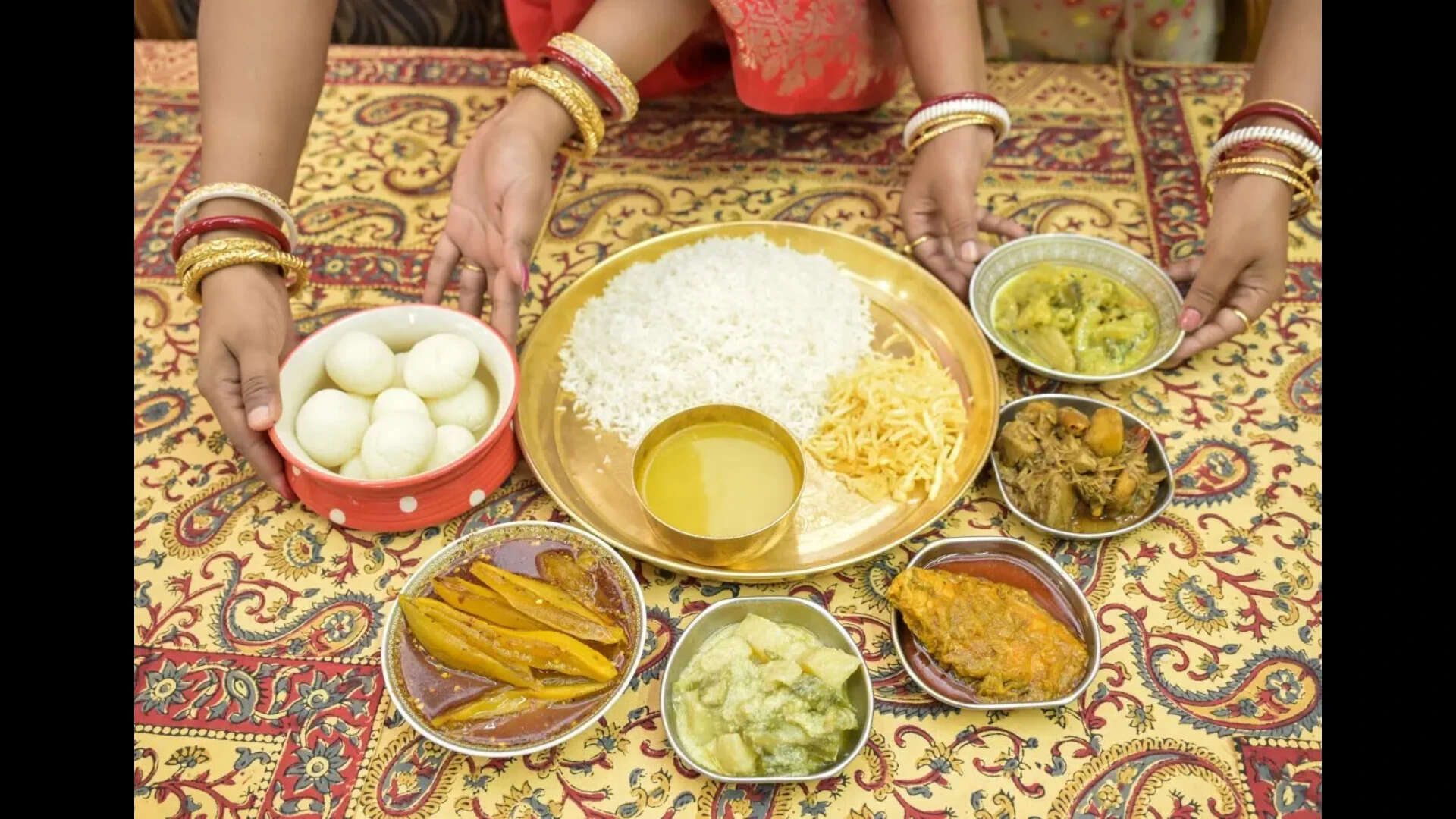
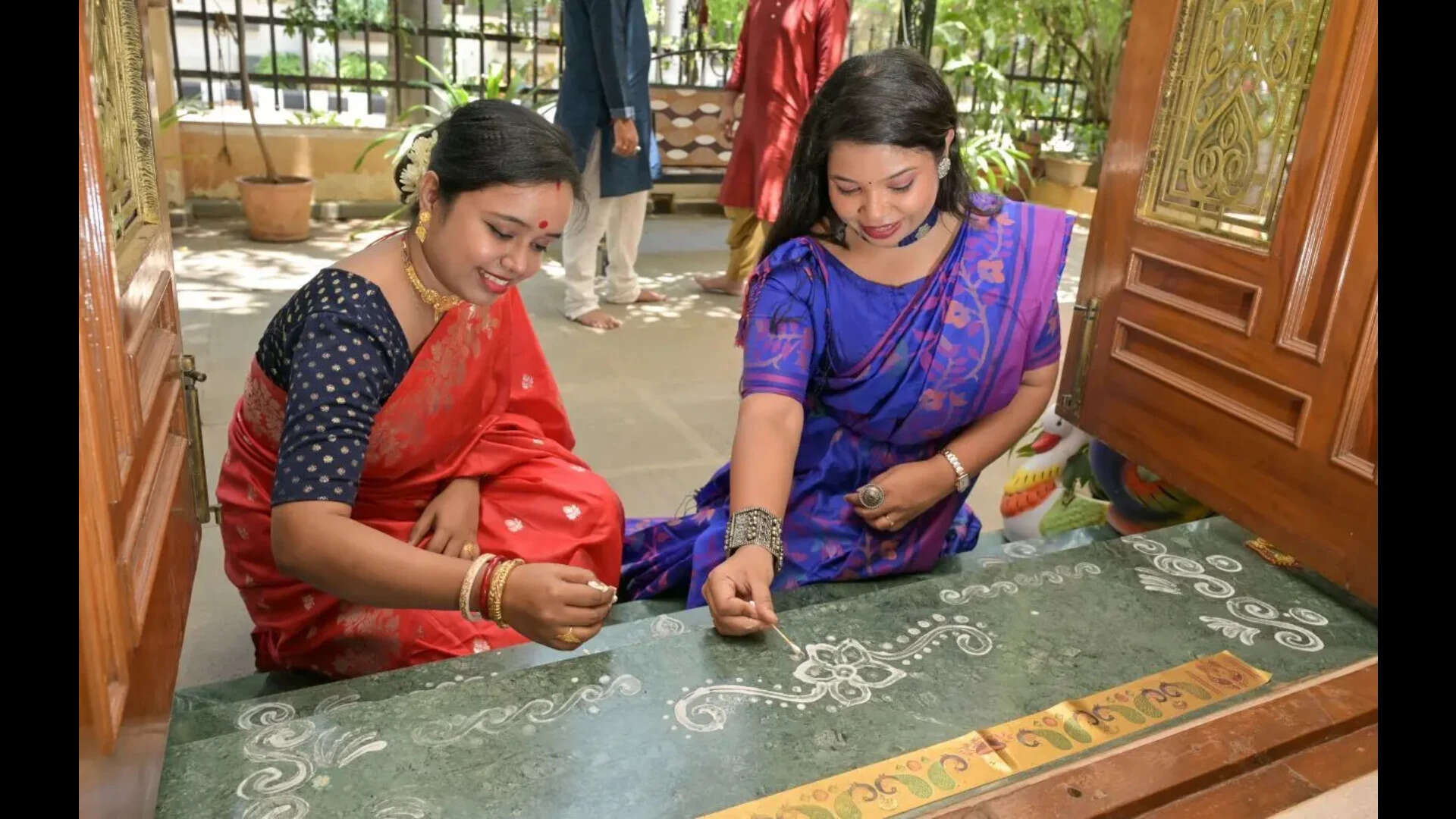
Applying alta : For that festive feel. Mishti mukh : No celebration is complete without sweets (Photo Jignesh Mistry)
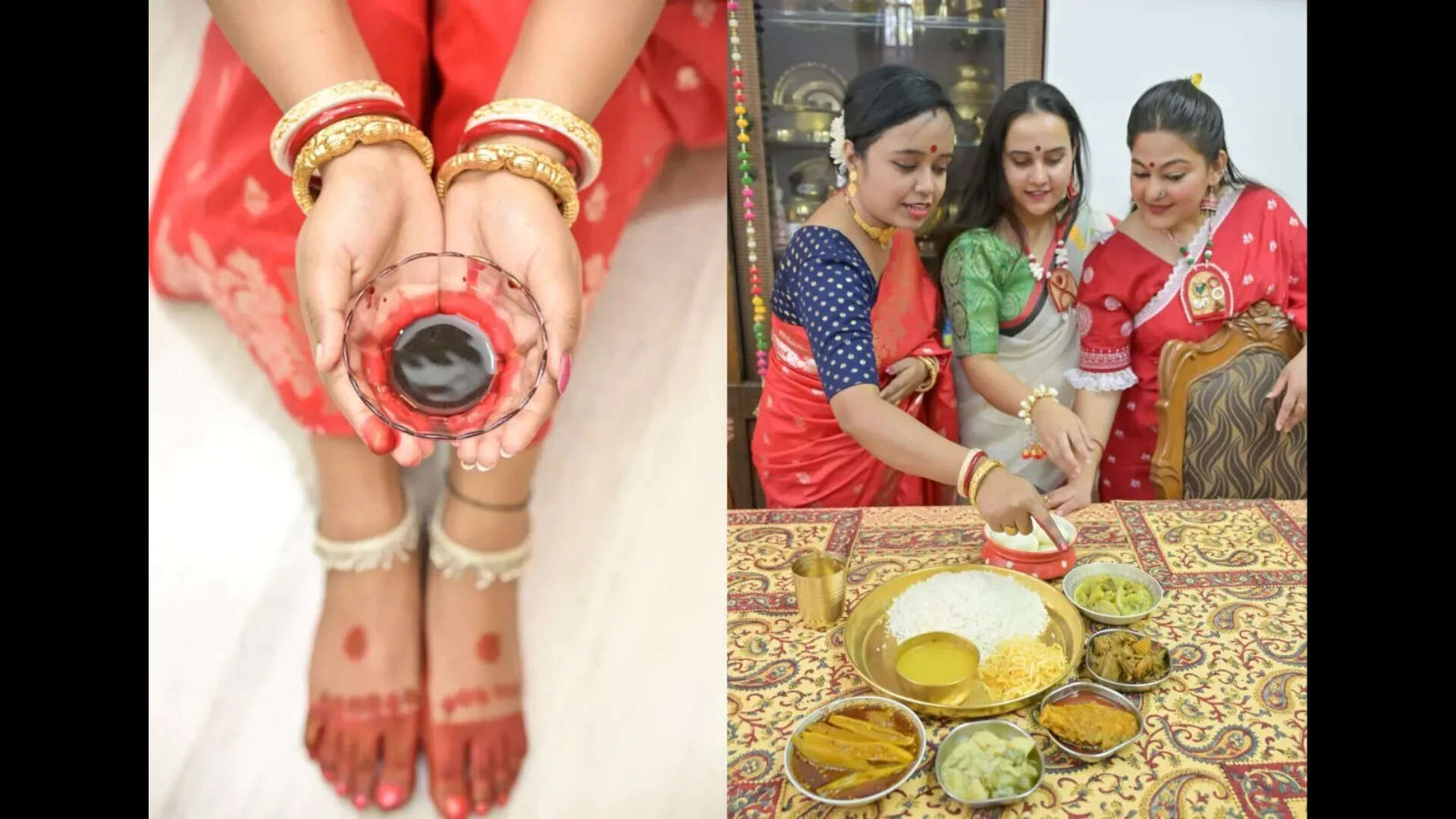
No Bengali celebration is complete without an array of vegetarian and non-vegetarian food, and Poila Boishakh is no exception. Elaborate lunch with dishes that can range from shukto (a mildly bitter medley of vegetables), begun bhaja (shallow fried brinjal), to cholar dal (mildly sweet Bengal split grams with coconut slivers) with luchi (thin, small deep-fried puffed bread), basanti pulao (a sweetish yellow rice preparation with cashews and raisins), to chingri malaikari (a coconut-based prawns curry), kosha mangsho (semidry spicy mutton), chutney (a sweettangy or sometimes spicy fruit dish), payesh (rice pudding) and mishti doi (sweet curd). While home-cooked meals are a staple, potluck-style gatherings are also common. In Pune, restaurants and supper clubs, too, offer the quintessential spread.
(Photo Jignesh Mistry)
■ Bengali Sweets & Foods, Viman Nagar n Aha! Baangali, Viman Nagar, Kharadi, Wakad
■ Chef’s Table by Breaking Basmati, @ breakingbasmati on Instagram
■ Crowne Plaza Pune City Centre, Bund Garden Road
■ Swayam Aahar, Viman Nagar
What is Poila Boishakh? Poila Boishakh or Pohela Boishakh marks the first day of the Bengali calendar, which is the first day of the Boishakh month. It usually falls on April 14 or 15 of the Gregorian calendar, and signifies new beginnings and the new year – Nobo Borsho. Traditionally, it is considered an auspicious time for starting new ventures, settling accounts for businesses, and ushering prosperity for the year ahead. Rooted in the agrarian cycle, Poila Boishakh is a cultural celebration that blendsfood, rituals, festivity, and coming together as a community.
Alpona : Made using ground rice flour, signifying positivity (Photo Jignesh Mistry)